Smarter Shelves, Invisible Logistics

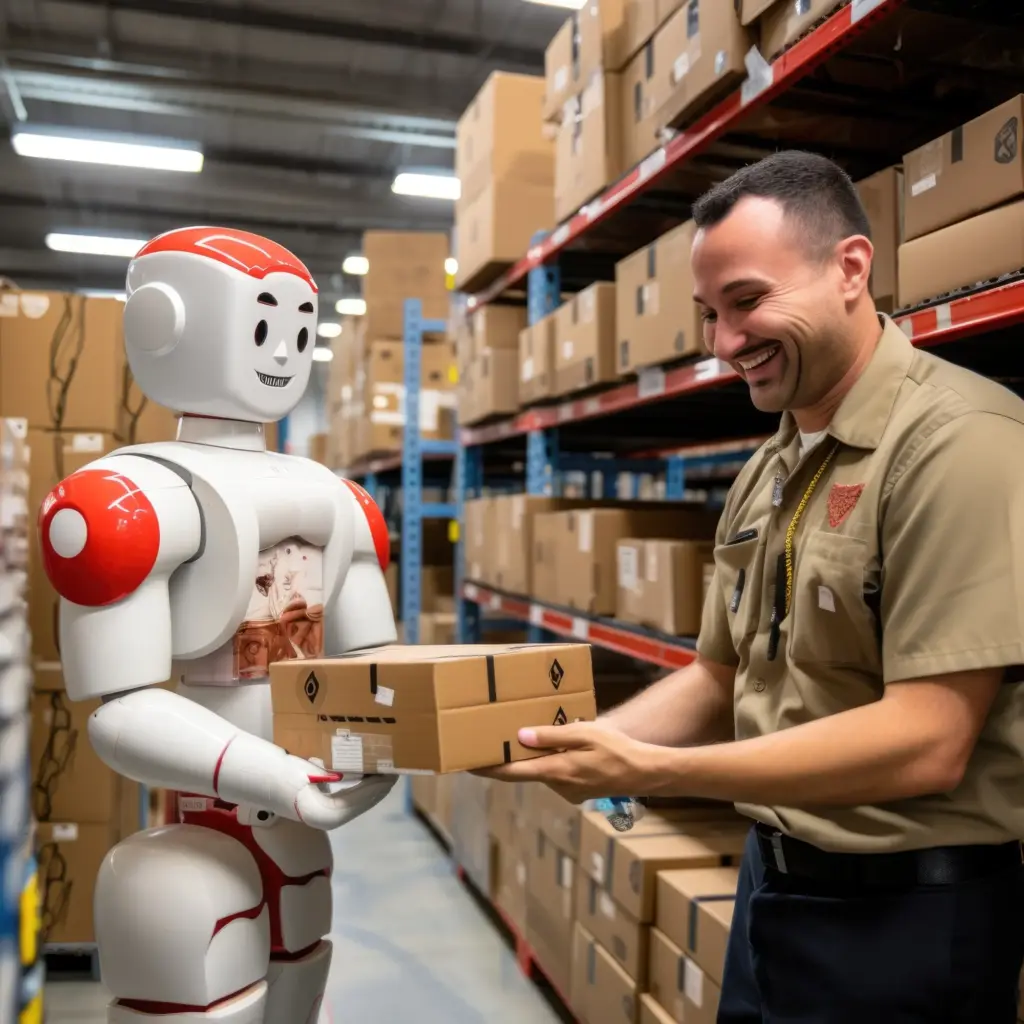
Step into a world where AI-driven predictive replenishment keeps autonomous stock levels humming quietly in the background, so customers always find what they need and teams focus on impact, not firefighting. We connect demand sensing, optimization, and automated execution to forecast, decide, and order confidently. Expect fewer stockouts, leaner inventory, and decisions explained in plain language, all governed by safety controls. Subscribe, comment, and challenge us with your toughest replenishment puzzles—we will explore, learn, and improve together.

Signals That Matter

Great results begin with meaningful signals. Beyond sales and inventory, the system listens to lead times, supplier reliability, transit variability, promotions, holidays, price changes, weather, local events, and online intent. IoT shelf sensors, RFID, and computer vision sharpen reality at the edge, while ERP and POS stabilize the backbone. Together they create a timely, truthful picture that reduces noise, reveals patterns, and empowers every replenishment decision.

Forecasts With Fewer Surprises

Instead of a single guess, the engine predicts distributions, offering quantiles that respect volatility, intermittency, and product life cycles. Hierarchical models share strength across stores and categories, while promotion uplift and cannibalization are estimated explicitly. Seasonality, price elasticity, and new product analogs inform near-term choices. The result is fewer last-minute scrambles, more dependable availability, and transparent uncertainty that feeds smarter, risk-aware orders across every location.

From Prediction To Action

Forecasts become orders through policy optimization that respects service targets, holding costs, minimum order quantities, case packs, truckload constraints, and multi-echelon realities. The solver chooses when and how much to replenish, aligning with supplier windows and dock capacities. It plans for disruptions using scenario analysis and buffers tuned by risk. Final recommendations flow to approval queues or auto-execution, with explanations describing exactly why each quantity and date was chosen.

Real-World Wins And Hard Lessons

Results arrive when models meet messy operations. Retailers report double-digit stockout reductions and notable working capital relief. Manufacturers stabilize components amid variable supplier performance, while D2C brands absorb promotions without drowning warehouses. Yet pitfalls are real: inconsistent master data, misaligned KPIs, and brittle integrations can hide savings. We share victories, missteps, and practical guardrails so you accelerate what works and avoid preventable stumbles while scaling responsibly.

Grocery Chain, Rainstorm Weekend

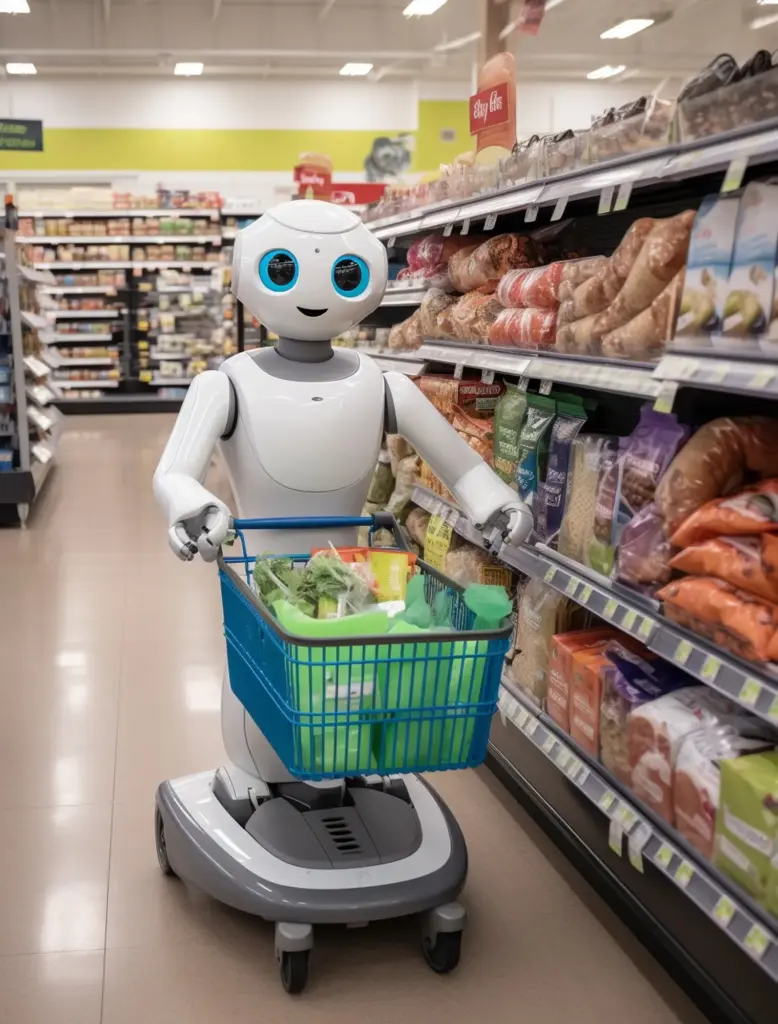
A coastal grocer fed weather and mobility signals into demand sensing. As a storm front formed, the system forecast spikes in batteries, water, and ready-to-eat meals, pushing orders early to beat carrier delays. Shelves stayed resilient while competitors faced outages. Afterward, the team reviewed explanations, validated uplift drivers, and tuned guardrails. The experience built trust and institutional memory, proving proactive replenishment can transform stressful weekends into calm, profitable service.

Electronics Supplier, Long Lead Times

A distributor managing components with ninety-day lead times needed stability without bloating stock. Scenario-based planning quantified uncertainty by supplier lane, adjusting safety stock where variability hurt most. Orders synchronized to factory calendars and consolidated containers minimized freight surcharges. Over a quarter, backorders dropped while inventory turns rose. Crucially, planners received interpretable justifications for each buffer, shifting debates from intuition to evidence and creating shared confidence in disciplined, autonomous decisions.

Pharmacy Network, Compliance And Care

A national pharmacy integrated substitution rules, controlled handling, and temperature excursions into replenishment workflows. Demand models captured prescription renewal rhythms and local clinic calendars, while optimization respected regulatory lot tracking and cold-chain windows. Stockouts of critical medications fell sharply without wasteful overstocking. Pharmacists gained dashboards showing drivers behind each order, enabling patient-first conversations. The program matured into a culture where safety, availability, and stewardship coexisted, guided by transparent, auditable automation.

Data Foundations You Can Trust

Models That Learn What Your Business Values

Not all service is equal, and your models should know it. By encoding asymmetric costs, target fill rates, and cross-category priorities, learning optimizes for outcomes leadership cares about, not generic accuracy. Contextual features capture promotions, price, seasonality, and locality. Policy learning balances risk and reward across echelons. With thoughtful metrics and bias checks, systems evolve ethically and effectively, aligning mathematics with mission so automation amplifies what truly matters.

Demand Sensing With Context

Modern architectures blend time-series structure with contextual awareness. Transformers and gradient-boosted trees ingest promotions, competitor price moves, social signals, and weather variations, while causal approaches protect against spurious correlations. Intermittent and new-item forecasting use hierarchy sharing and similarity search. The payoff is sharper signals during volatility, faster recovery after shocks, and quantile forecasts that describe uncertainty honestly. These richer predictions enable replenishment choices that feel timely, confident, and remarkably human-aware.

Inventory Optimization Under Uncertainty

Real operations juggle service targets, holding costs, and variable lead times. Probabilistic safety stock, multi-echelon policies, and robust optimization tame volatility without waste. Newsvendor-style tradeoffs adapt by product criticality, while MOQ, case-pack, and truckload constraints shape executable plans. Scenario simulation stress-tests orders against delays and demand swings, revealing resilient decisions before money moves. This is where forecasts become dependable action, converting uncertainty into disciplined, cost-conscious availability at scale.

Simulation Before Automation

A digital twin derisks change by replaying history with proposed policies, measuring stockouts, overstocks, and service under identical conditions. Backtests expose edge cases; A/B pilots validate gains in live traffic with guardrails. Stakeholders see impacts on labor, dock utilization, and supplier performance. Only when evidence convinces do approvals expand. This culture of test-then-trust turns automation from risky leap into a measured stride, welcomed by teams who helped shape it.

Operating Safely At Scale

Autonomous does not mean unchecked. Clear guardrails cap order sizes, enforce vendor windows, and watch budget limits. Kill switches pause categories instantly. Explanations and audit trails ensure every decision is traceable. Observability detects data drift and model decay before customers feel pain. With layered controls, incident playbooks, and graceful degradation paths, operations remain dependable, compliant, and respectful of people and partners while still moving decisively when opportunities appear.

From Pilot To Everyday Habit

Sustainable impact requires more than a proof of concept. Start with categories where signal is strong and stakeholders are eager. Define KPIs that matter: fill rate uplift, inventory turns, working capital, and waste. Integrate into daily workflows, train teams, and celebrate wins. Mature governance handles exceptions gracefully. As confidence grows, expand scope methodically, keeping transparency and human collaboration at the center of every automation milestone.